
San Francisco v. Ultra-Processed Foods:A Lawsuit That Could Reshape Corporate Behavior
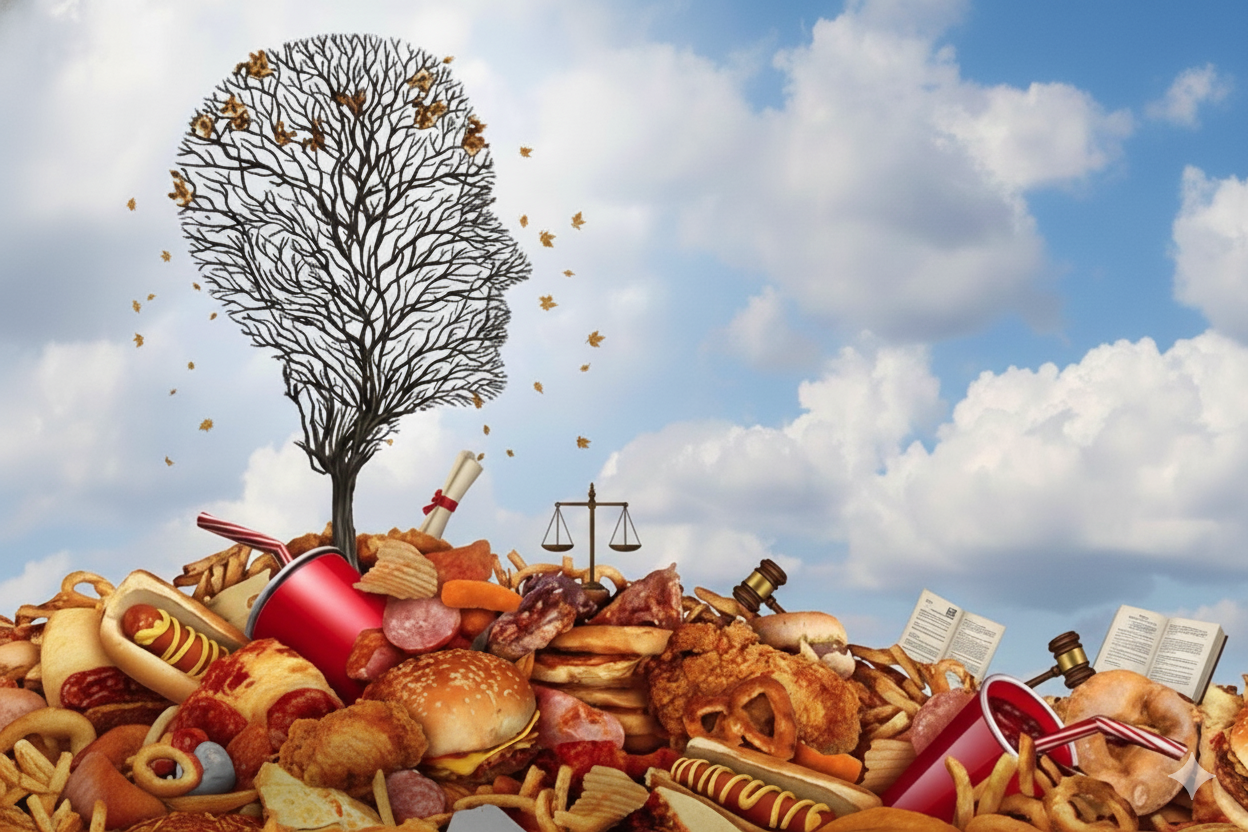
Last week, the City of San Francisco filed a lawsuit against ultra-processed foods (UPF) manufacturers - including Coca-Cola Company; PepsiCo; Kraft Heinz; General Mills; Nestle; Kellogg; Mars and ConAgra Brands. The complaint argues that:
Ultra-processed foods are industrial formulations of cheap ingredients combined with additives that have no culinary use outside of manufacturing — emulsifiers, flavor enhancers, artificial sweeteners, hydrogenated oils — assembled through processes like extrusion and hydrogenation that most consumers have never heard of. The goal is hyper-palatability, not nutrition.
"Defendants intentionally engineered UPF to deceive the body to crave and consume what it otherwise would not; failed to include any warnings regarding the health consequences of UPF in connection with their sale, despite being fully aware of these adverse health consequences; made fraudulent statements by advertising these UPF as natural or healthy; and targeted these harmful products to children. Defendants' actions have created conditions that are harmful to health, including a distortion of consumer habits resulting in pervasive overconsumption of harmful UPF and increased rates of chronic disease and death."
The city seeks a statewide injunction against deceptive marketing, corrective advertising, healthcare cost recovery, and restrictions on marketing to children - and civil penalties under California's Unfair Competition Law. No dollar amount is named. This is about reshaping industry behavior, not individual damages.
OUR TAKE
Past UPF lawsuits by individuals failed because plaintiffs couldn't prove which product caused their specific illness. San Francisco sidesteps this challenge by suing under public nuisance law, which requires only that defendants be a 'substantial factor' in population-level harm.
The complaint's sharpest move is linking UPF to tobacco. Philip Morris acquired Kraft; RJ Reynolds bought Nabisco. The suit argues that these firms didn't just buy food brands, they imported addiction science and youth marketing channels.
Damaging material is already on record, including a 1999 Kraft Heinz VP statement that UPF caused 300,000 premature deaths annually. Discovery will surface more - and those documents become public regardless of outcome, the same mechanism that turned single tobacco and opioid cases into industry settlements.
San Francisco's approach fills a federal enforcement gap where its evidence discovery becomes de facto regulation and its litigation settlement shapes public policy without legislation.