
Epic Fury: Iran’s Drone Blockade Impacts Global Gas, Oil, and Fertilizer Markets
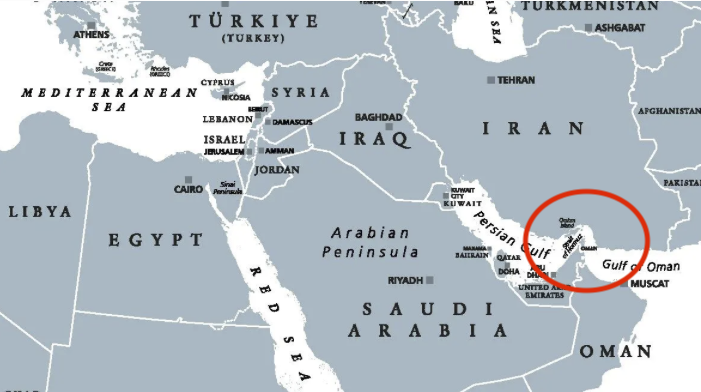
Following the February 28, 2026 strikes by the U.S. and Israel on Iran (Operation Epic Fury), the Strait of Hormuz has "functionally closed."
Iran's retaliatory strikes triggered cancellation of shipping insurance. With no standard coverage available, commercial tankers have vanished from the Persian Gulf. The following are selected impacts:
Natural gas is the hardest hit: Prices nearly doubled in 48 hours. Qatar, which supplies roughly 20% of the world's LNG, ships entirely through the Strait. After Iranian drones damaged key export facilities, production was indefinitely suspended.
Fertilizer prices spiked as well. Three of the world's top ten fertilizer exporters sit inside the Persian Gulf, and roughly a third of global supply moves through the Strait. Urea, a widely used fertilizer compound, increased by over 15%.
Oil had its largest weekly gain in futures trading history (since 1983) - surging 35% when Brent broke $90 a barrel on March 6. Iraq has cut its production by 50% and may shut down entirely.
Regional Map: Strait of Hormuz in red circle
Our Take
While oil price spikes dominate the headlines, the deeper economic pain is in the gas and fertilizer markets - commodities with fewer global alternatives and no strategic reserves.
Iran achieved this historic blockade not with a navy, but with low-cost drones that made the Strait both uninsurable and impassable.
Beyond commodities, the crisis may dampen risk appetite among Gulf investors, with potential pullbacks ranging from sovereign fund allocations to sports sponsorships.
If the Strait remains closed through March, the fertilizer shortage could impact spring planting season for corn, wheat and other crops.