
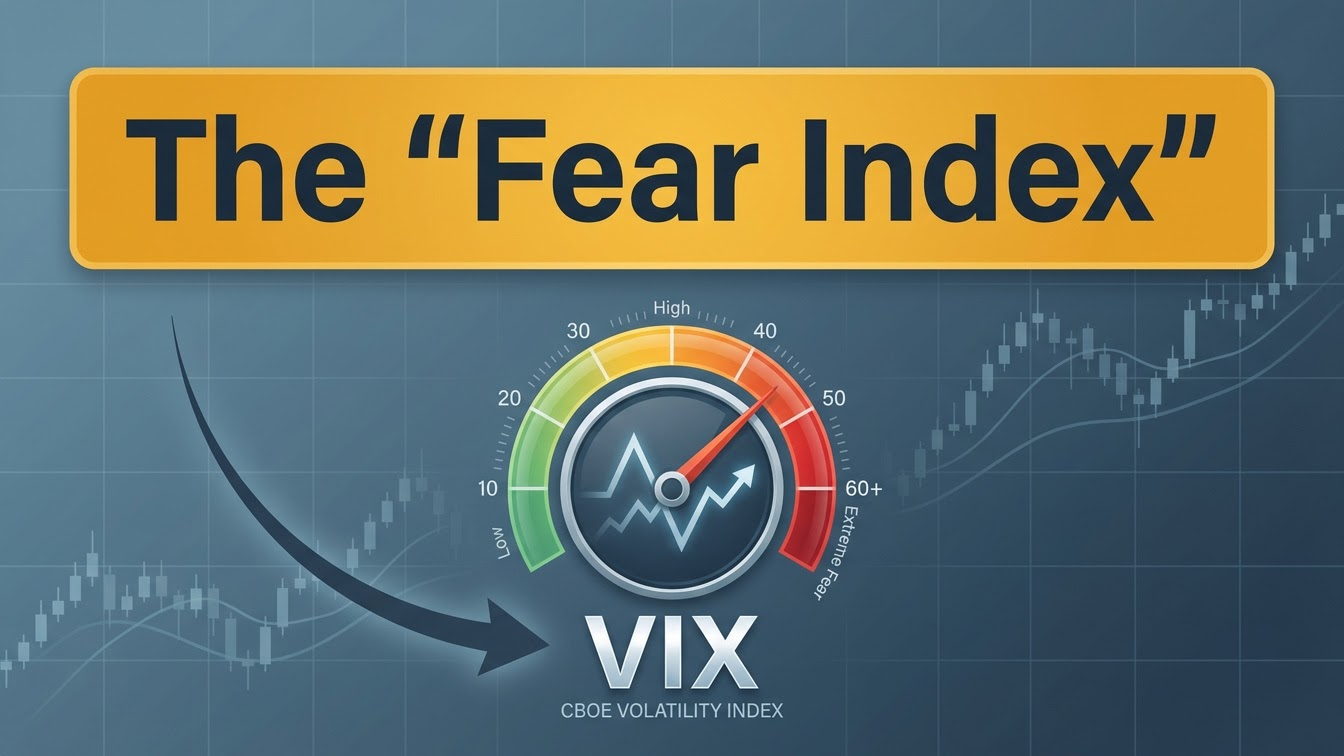
Last week, market volatility increased sharply. The VIX Volatility Index, often called Wall Street's fear gauge rose from 19.3 at the beginning of the week to near 38 on Friday, its highest level in a year. For perspective, the VIX has averaged 19.4 since 1990. Contributing factors to the volatility include:
AI
Investors are questioning whether expected AI demand will justify the scale of planned data-center investment.
Nvidia CEO Jensen Huang resigned on November 12 amid a board investigation about China spying allegations
Anthropic's record IPO was followed by a 9% decline in its shares on Friday.
Inflation and Interest Rates
On November 18, Fed Governor Christopher Waller said, "I'm very, very concerned about inflation. It's kind of headed in the wrong direction, and it's spreading out. If you really want to get it down, you've got to start taking more aggressive actions. You might need to, like, shock people."
Recent inflation data have also strengthened expectations for rate hikes, keeping Treasury yields near 5%, with elevated yields putting pressure on stock valuations, particularly for high-growth technology companies.
U.S. – Iran Conflict.
On November 19, President Trump said, "I am not rushing into any decision [on Iran]. We will see what happens after the beginning of the year."
That same day, Iran's Revolutionary Guard (IRGC) spokesman Hossein Mohebbi said, "We will not accept the continuation of the current status quo, a state of neither war nor peace, or a war of attrition."
OUR TAKE
Regarding AI: Investors are watching Anthropic's $83-per-share IPO price. A sustained move below it could signal dampened interest in AI-related stocks and the sector still faces open questions about data-center spending.
Inflation and rates: When the Fed meets December 8–9, any increases in interest rates could keep volatility elevated in the short-term.
Geopolitics: Oil prices could remain volatile if Trump defers a decision on Iran until the New Year and Iran rejects the current stalemate.
The VIX: Volatility spikes can mark a short-term bottom in stocks, but persistent uncertainty could extend the current trend.